


Fungal diseases are among the most common diseases encountered in infectious medical practice.The disease is caused by a fungus and can be easily transmitted from one person to another if basic rules of personal hygiene are not followed.To protect yourself and your loved ones, never use someone else’s shoes.Typically, infections occur during visits to swimming pools, gyms or saunas, where ideal conditions exist for fungal infections to develop - moisture, elevated temperatures.What do you need to know to avoid or early cure common diseases?
How to treat onychomycosis with medicine
Medical statistics show that people see a doctor when fungal diseases develop on their feet, including their nails.When to start treatment is very important.The initial stages of the disease are easier to treat.Getting rid of old fungus can be a long and often painful ordeal.It is important to complete treatment until all signs of disease have disappeared, otherwise residual lesions may trigger a new round of nail disease.
To treat fungal diseases of the feet and nails, topical treatments are available in the form of gels, sprays, ointments, varnishes and tablets.The main tasks of antifungal drugs are to destroy fungal spores, relieve inflammation, restore normal blood circulation, and prevent recurrence.The large number of medications available for fungal diseases can sometimes be confusing to patients.
Never self-diagnose.If you suspect you have a fungal infection on your feet, you urgently need to see a dermatologist if your big toenail (which is one of the first toenails to become infected) changes color (turns gray, yellow, thickens and starts to peel).After examination and laboratory tests, the doctor will prescribe appropriate treatment.In order to find effective ways to fight fungi and understand the nature of treatments, we recommend that you read this information.
varnish
If onychomycosis is not in an advanced stage, but in its early stages, it is worth trying a varnish that will help soften the affected area.In this case, fungal spores die under the influence of the drug.Follow the instructions and apply varnish twice a week for several months until healthy nails have fully grown.
To treat nails, you should choose a drug.It is not recommended to change or replace the varnish; such operations will lead to a reduction in the effectiveness of the treatment.Before starting use, be sure to read the contraindications.The use of antifungal varnish is prohibited for pregnant women, children and people with personal intolerances.
Before applying varnish, you should use a special file that comes with the drug to remove as much of the area affected by the fungus as possible.After degreasing your nails with a water-alcohol solution, apply a layer of varnish and replace them every few days.Before surgery, you can take a foot bath with soap and soda.Varnish is removed in the same way as decorative varnish, using organic solvents.
drug

For advanced forms of fungal infections of the feet and nails, it is worth considering the option of a mixed treatment, in which you will need to combine tablets with creams, varnishes and sprays.Systemic antibiotics have a strong harmful effect on bacteria and speed up the treatment process.Correct identification of the causative agent of the disease will help you get rid of fungal diseases faster.
Self-administration of pills is prohibited; they have many contraindications for use, so taking them should be done under the supervision of an experienced doctor.
Products used to remove affected nail plates
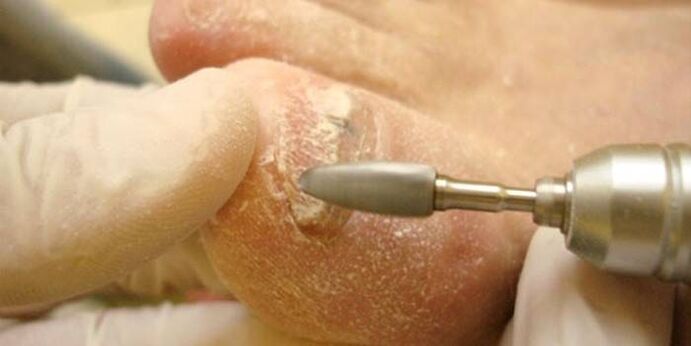
- The most unpleasant and painful part is the surgical removal of the nail, which needs to be bandaged for 7-10 days afterwards.To limit the load on the legs, bed rest and home rest are recommended for recovery.The healing process of nails is longer and can be associated with discomfort.
- Hardware removal of the nail plate is performed with a device with an abrasive attachment that is reminiscent of a dental drill.After using special softening ingredients, the specialist gradually removes the infected nail layer.For complete removal, you will need to do it at least 3-4 times.After the procedure, all instruments and items that have come into contact with the patient must be disinfected and sterilized.
- A good alternative to the listed methods is the use of cosmetics, which can painlessly remove nails infected with fungal diseases in a short time (several surgeries).The tea tree oil contained in the ingredients has antiseptic and antifungal properties and helps to grow new healthy nails quickly.Apply the medication directly to the nail after steaming it in a soap and soda solution and cover it with a band-aid for a few days.For more detailed information about use please refer to the package insert.
Topical treatments: creams, sprays and ointments
In the initial stages of the disease, it is best to use topical preparations in the form of creams, gels and ointments.Apply to clean, dry surfaces on areas of fingers and nails affected by fungal disease.Antifungal liquids containing boric acid and resorcinol help dry and disinfect the affected area.
Iodine-based antiseptics speed up the renewal and healing process of the nail itself and the surrounding area.After using the spray, allergic reactions such as burning and itching may occur.To ensure that the antifungal cream or gel is better absorbed by the nail, the surface should be lightly treated with a nail file.To enhance the therapeutic effect, propolis, which has strong anti-inflammatory properties, can be added to creams and ointments.
folk remedies
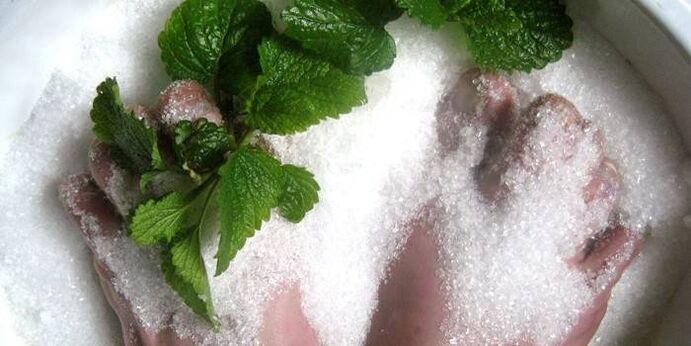
Some people find it easier to treat onychomycosis using less expensive folk remedies.But we must remember that in advanced cases there is no way without complex treatment that completely kills the fungal spores, otherwise the newly grown nails will become infected and the disease will recur.Treatment according to the home surgical protocol will have a beneficial effect only when the first signs of mycotic infection appear.
vinegar

Vinegar is acidic and has a negative effect on fungi.You should not overuse this treatment as it may cause burns around the nails.
- The easiest way is to use a cotton swab dipped in 9% vinegar to lubricate the nail plate and foot skin.You should then put cotton socks on your feet.The procedure takes place in the evening.
- bathroom.Before going to bed, pour 200-250 ml of vinegar into a bowl of hot water and steam your feet for 10-15 minutes.Use a disposable towel or napkin to remove moisture from your nails after surgery, and use medications recommended by your doctor.It is best to do this bath every other day.
- Lotion.Soak a cotton swab or gauze in vinegar or an equal mixture of vegetable oils.Use tape to apply to your nails at night.The treatment process is long until new healthy nails grow back, but the fungus is eliminated.
iodine
An alcoholic solution of iodine can be found in every home medicine cabinet, which is why this medication is so popular for treating fungal foot fungus.Iodine is a powerful antiseptic that has cauterizing properties and can cause proteins to coagulate.Fungi have a protein structure, so the use of iodine can show rapid positive results in treatment, but only if the disease has not progressed and the nail plate is not affected to more than a quarter.
Using iodine may cause your nails to turn yellow, which will disappear over time.Carefully lubricate the skin of your fingers and feet with just enough iodine to avoid burning.You will need to lubricate your deck regularly every day until it is fully restored.For prevention, iodine can be applied to healthy nails once a day and affected areas twice a day.Remember to use different swabs for healthy nails and fungal nails to avoid the spread of fungal disease.
Celandine

Chelidonium has been known for its medicinal properties for many generations.Herbalists are positive about the use of this medicinal plant, but remind us that with everything comes knowing when to stop.Celandine freshly picked from the stems secretes a bright yellow sap that should be used immediately to treat and lubricate infected areas of the legs and nails.Large amounts of juice may cause burns.
To prepare celandine tincture, its fleshy stems and leaves must be passed through a meat grinder and squeezed through gauze folded in several layers.The resulting juice is diluted 1:1 with 70% alcohol and left to stand for about a day.After steaming the feet in a hot soapy salt bath, treat the affected areas of the skin and nails with an alcoholic solution of celandine.For effective treatment, the use of tinctures is alternated with baths in celandine decoction.Add 1 liter of thick herbal infusion to hot water.Keep your feet in the air for 15-20 minutes.
Kombucha
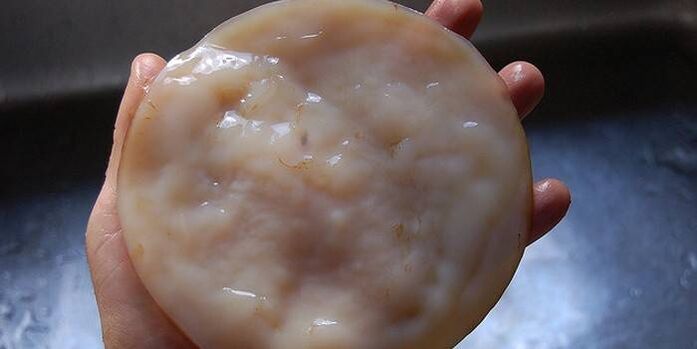
Kombucha is used not only to prepare a nourishing drink but also for medicinal purposes.Use to rub infected skin and nails or as a dressing.
- Peel the kombucha, grind it into a paste, and apply it to the affected area 2-3 times a day.
- Dressing is done at night.Apply a washed and clean layer of kombucha to the infected nail, wrap it in polyethylene and put on thick socks.Pain may occur during treatment.In the morning, rinse your feet with warm water to remove the top layer of your nails, which will gradually fall off.After removing the dead particles, lubricate your nails with iodine or bright green.The course of treatment is repeated in 5-7 day sessions.After a period of time, in order to prevent and consolidate the effects of treatment, repeat the process 1-2 times.
Body wash recipe
Many home remedies for fungal diseases are used not only for lubrication but also as a bath for steaming your feet.To do this, add one or another ingredient to hot water and soak your feet in the water for 10-20 minutes, then treat the nails with ointment, gel or antifungal cream.
- Hot water foot baths with iodine-alcohol solution added have a good antibacterial effect on fungi.
- Using soap and soda baths every other day will have a significant positive effect in fighting fungus.Using tar soap will enhance the effect.
- Alternatively, use sea salt (2 tablespoons per 1 liter of water) for bathing.The course of treatment should not be stopped for 20-25 days.
- A daily bath with a decoction of celandine can both treat and prevent foot and nail fungus.
- Decoction of potato skins added to hot water will help to gradually remove the fungus if you repeat the process daily.
Which doctor treats onychomycosis
Mycoses (fungi) are the most common diseases in humans affecting the human skin and mucous membranes, but the most common cases are infections of the feet and nails.If you have signs of a fungal infection, you should contact a mycologist, a specialist in the field, who can determine the type of fungal disease and prescribe treatment.Self-treatment often leads to complications, the fungal disease can easily recur, and is best fought with medication.
If the nearest clinic does not have such a specialist, you should contact a dermatologist.This is a medical professional who treats skin conditions, including nail conditions.If you contact the clinic promptly when symptoms of fungal disease first appear, you can get quick and good treatment results.Strictly following all the advice of experts will help you overcome the disease and regain health in a short time.
Photos: What Fungal Infected Nails Look Like
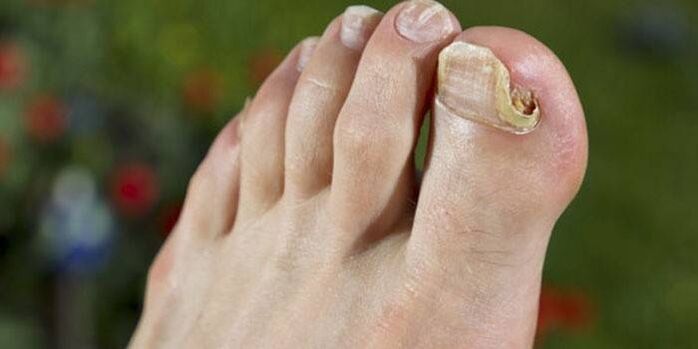
No matter how unsightly a photo of a fungal-infected nail may look, it's worth taking a look to avoid an unpleasant fate.Aches, pains, external discomfort, complications – you can suffer from all these symptoms if you do not observe the basic rules of personal hygiene and do not contact a specialist at the first signs of a fungal infection.It should be remembered that treatment is not considered complete unless you treat all used shoes, as reinfection may occur.
Comment
- 49-year-old woman: "After the beach season, my husband began to notice an unpleasant condition on his feet - itching, redness of the fingers. He did not notice it, but in vain. After a few months, the situation worsened and the nails began to thicken and become painful. It turned out to be a fungus, which was very difficult to remove. Treatment - lotion containing hydrogen peroxide -Not much has been achieved. This would have helped initially. Now that he has been on a course of antifungal antibiotics prescribed by his doctor, his condition has improved and we are waiting for new nails to grow as those affected by the fungus have to be removed."
- Guy, 17 years old: "My brother and I recently went on holiday to the village with my grandmother. We often walked around without shoes, so somewhere on my brother's feet he became "infected" with fungus. Fortunately, my grandmother was very attentive, she immediately diagnosed and burned the first spots that appeared with fresh celandine. The treatment turned out to be effective, a few drops of juice were enough. After a few days, my brother already forgot that somewhere was injured and burning. Early detection - means faster healing."
- 42-year-old woman: "I thought that the fungal disease was over, but my son came back from the army and it was impossible to look at the nails without crying. There was no chance for treatment for such a long time. The neighbor suggested applying garlic pulp to the damaged nails. The son complained that he was baking, but he tolerated it. The inflammation is gradually disappearing. We really hope that we can treat it without antibiotics."